





Brazil's Carnival is renowned as the world's biggest party, attracting millions of visitors each year. The festival is marked by vibrant parades, samba music, and elaborate costumes, creating a festive atmosphere.
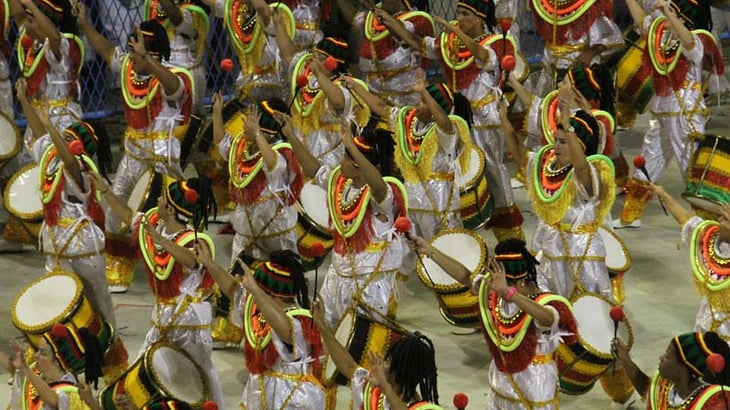
Carnival 2026 is here! Carnival parties are held in various cities and countries worldwide, particularly in Catholic nations in Europe, Latin America and the Caribbean , but none surpass Rio de Janeiro’s sensational street festivities, wild parades, and glamorous masquerade balls. Anticipation for this raucous event begins months in advance, when the Carnival theme is announced and local samba schools begin practicing their carefully choreographed routines.
When is Carnival in Brazil?
Though celebrations will be spread over the first three weeks of February, the core of Brazil’s world-famous festival of samba music and competitive revelry is officially held from February 13 to February 18, 2026, which is Fat Tuesday and the last day before the beginning of the traditional fasting season of Lent.
Today's Carnival, an exceptional display of Brazilian spirit and culture, reflects influences from past ceremonies and rituals practiced by Africans, Europeans, and indigenous peoples in Brazil.
During the weeks of Lent, Christians traditionally abstained from meat and poultry; hence the term "carnival," from carnelevare, "to remove (literally, "raise") meat." Carnival celebrations are also believed to have roots in the pagan festival of Saturnalia, which, adapted to Christianity, became a farewell to evil and a purification of the body in preparation for Christ's death.
Pro Tip! If you want an authentic Carnival experience but with lower prices and fewer tourists, check out Champions' Parade in Rio on the Saturday after Carnival, which features the top six Samba schools and plenty of partying and revelry.
Carnival Facts: Everything You Need to Know
- The exact dates of Carnival change yearly, but it is always 46 days before Easter.
- The official (and most outlandish) parade is held at Sambodromo, or the Sambadrome, where 12 samba schools (Escolas de Samba) compete to present the most spectacular show.
- The merrymaking marathon begins at 10 or 11pm and lasts until sunrise the next morning.
- Modern Brazilian Carnival was first held in 1641 when the city's bourgeoisie began importing aspects of Parisian Carnival to Rio.
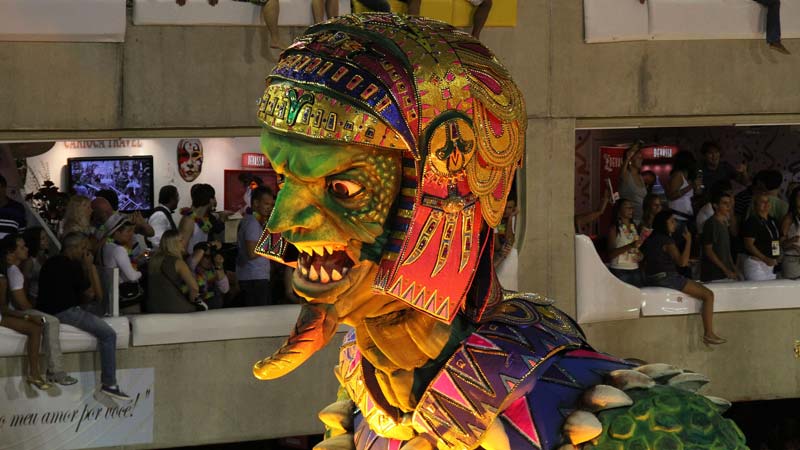
Later elements derived from Native American and African cultures were absorbed into the Christian festivities. As time passed, the “Carne Vale” became an excuse for ordinary people to dance, wear masks, and parade in the streets. The intermingling of Indian costumes, African beats, and European Catholicism ultimately produced one of the world’s greatest and most outrageous parties.
While not everyone can join these enormous samba school dances, Rio has hundreds of “samba blocks” where smaller schools congregate, with their contagious rhythms and glitzy attire inviting anyone to participate.
One key feature of the annual event is its notorious outdoor parties, where colorful performers, magnificent floats, and talented musicians lead tourists and locals on an unforgettable joyride through the streets of Rio. Carnival street bands, called blocos de carnaval, or simply “blocos”, organize free parades in various areas of the city. Blocos parade in nearly every neighborhood, but the most famous ones parade in Copacabana, Ipanema, Leblon, Lagoa, Jardim Botânico, and throughout downtown Rio.
Each school is led by a samba queen and accompanied by hundreds of drummers who set the beat, connecting the dancers with the thousands of onlookers in the stands. These block parades start as early as January and may last until the Sunday after Carnival. Not coincidentally, this time of year, travel within Brazil and to Rio de Janeiro is more expensive.
How to Work in Brazil as a Professional English Teacher
If you are interested in exploring South America's natural beauty and unique cultural traditions and living abroad in Brazil, consider earning your TEFL certification and working as an English teacher. Obtaining your TEFL certification through the International TEFL Academy will prepare you for a life-changing adventure anywhere overseas.
Most English teachers in Brazil work in private language institutes and bilingual academies, and many also provide private tutoring. For those not looking to live in Brazil full-time, teaching English online as a digital nomad offers the opportunity to move from country to country while taking your job with you (without worrying about residency visa paperwork).
Related articles:
Posted In: Teach English in Brazil, Teach English in Latin America, Rio de Janeiro, Tips for Traveling & Living Abroad

Want to Learn More About Teaching English Abroad & Online?
Request a free brochure or call 773-634-9900 to speak with an expert advisor about all aspects of TEFL certification and teaching English abroad or online, including the hiring process, salaries, visas, TEFL class options, job placement assistance and more.