

Length of training: 4 weeks
Tuition: $ 1,750
($ 500 Deposit, $ 1,250 balance)
(housing costs are not included)
More information on TEFL Course Dates
Note: Weeks 1 & 2 of course are held in
Phnom Penh, Cambodia Weeks 3 & 4 are in Pattaya, Thailand
Pattaya, Thailand

Thailand - a land of beautiful beaches, plummeting waterfalls, ornately gilded temples, mouthwatering spicy food, and smiling, gentle people.
What makes a TEFL course in Thailand so special? As the only country in Southeast Asia never to be colonized by the West, its people take great pride in the preservation of their way of life, and the customs and traditions that make their country unique.
Though most locals' command of English is limited, you'll find them warm and anxious to help. Thais are among the most friendly and outgoing of all people; most are curious about foreigners, and that curiosity is tempered by their interest in Western culture and your efforts to live among them and teach their friends and families. Our TEFL TESOL teachers have noted that the intensity with which Thai students throw themselves into learning English is amazing.

Our TEFL TESOL training school is located Pattaya, Thailand's premier beach resort since the 1960s that stretches along 15 km of golden sandy coastline from Naklua Bay to Jomtien Beach. Two hours south of Bangkok, Pattaya is warmed year-round by the sun setting over the Gulf of Thailand.
The climate of coastal Thailand is tropical, with three distinct seasons: hot from March through May, rainy from June through October, and cooler from November through February. Average daily temperatures throughout the year are around a warm and pleasant 80°F (27°C). Even in the rainy season, the rainfall is brief and the rest of the day is normally clear and sunny.
International TEFL Academy offers lifetime job guidance advice for all our graduates.
Tuition Covers:
- TEFL TESOL course fee
- Course Book
- Assistance finding housing during your TEFL TESOL course
- Job search guidance in Thailand and all around the world
Tuition does not cover:
- Personal Expenses
- International Flights
- Visas
- Insurance
- Airport Pick up
- Housing (payments for housing are made directly to hostels or apartments in Thailand)
Housing & Communication:
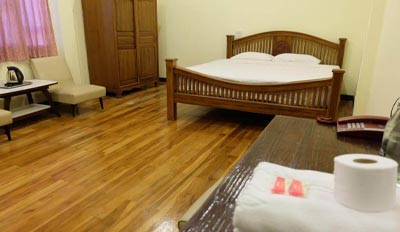
During the four-week TEFL TESOL training program, housing will be available at a local hotel or in the nearby apartments. These apartments are set up for single occupancy, though couples can certainly share an apartment if they wish. All apartments are large and fully furnished with double beds, wardrobes, dressing tables, air-conditioning, TV with cable, refrigerators, microwaves, western style bathrooms with hot water, tables, chairs, and couches. Kitchen utensils, bedding, and towels are provided. Often, a one month security deposit and the first month's rent are required at the time of rental. An international cell phone will be available to all program participants ($75 dollar fee for lost phone). You will be given access to the Internet during training at the training center. Most hiring schools have Internet access available to teachers during school hours. Public Internet cafés are also available. They usually charge about 60 baht (US$1.50) per hour.
Food
Thai food is a joy of life. Most meals, even breakfast, include a vast array of dishes, from fried eggs to salted fish to poached shrimp to spicy, grilled chicken.
Everything, even eggs and fresh fruit, is eaten with rice. In Thai, gin means "eat" and kao means "rice," and gin kao is an idiom for taking a meal.
Local restaurants and street vendors abound, offering excellent, inexpensive Thai food.
Due to Thailand's strong Buddhist tradition, vegetarian food is widely available. Fresh vegetables and fruits are in abundant supply, as are vegetarian restaurants.
There are many local restaurants and street vendors near the training center offering excellent, inexpensive Thai food.
Participants are responsible for their own meals.
Clothing
Thai people are quite conscientious of their dress. The nationwide stress on maintaining a neat and clean appearance creates a marked disparity with some Western visitors. (Thai people would never dream of wearing dirty clothes while traveling.)
Dress codes while teaching range from Western "Business Casual" to "Sport Casual" (track pants and short-sleeved shirts) to "Traditional," which could include a locally handmade, ornately decorated silk shirt that is somehow more comfortable in the heat than anything else you own.
In general women should cover their shoulders (sleeveless shirts are acceptable, but very thin straps or tank tops are not). Woman should avoid wearing low-cut shirts, mini skirts, and shirts that show their midriff. Open-toed shoes are acceptable. Men should wear long pants (not jeans), short- or long-sleeved shirt with a collar, and loafers or dress shoes. Black pants and black shoes are preferred in Thailand for men, especially when interviewing. Sandals are not acceptable when teaching. Long hair should be neatly tied into a ponytail.
Excursions:
Excursions are not just a leisure activity - they are an integral part of developing a true understanding of the character and beauty of your host country and its surrounding area. We balance the intensive classroom work and practice teaching of your training with a series of enriching excursions throughout Thailand.
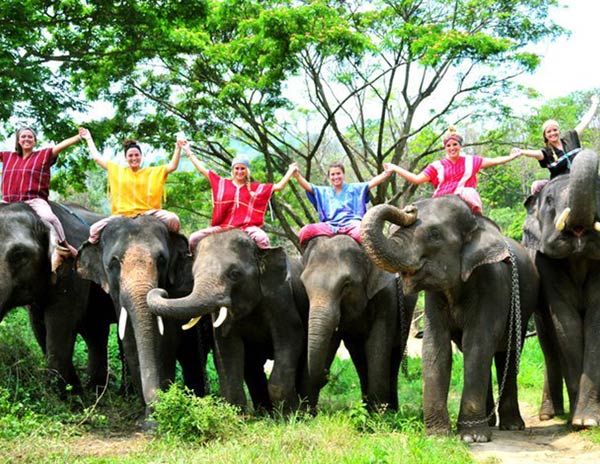
Our Pattaya Thailand TEFL TESOL course includes an initial welcome tour of Phnom Penh, Cambodia during your arrival weekend. All programs include a 3-day excursion to Angkor Wat following the first week of the program. This has been our most popular excursion by far, and includes three glorious days wandering through ruins of the largest religious building area in the world. Temples range in condition from moderately restored to jungle encrusted. The excursion includes time for a visit to a near-by waterfall to cool off, relax and enjoy. This trip creates memories that will be treasured forever! A second weekend excursion to the beautiful beaches of Koh Chang island in Thailand is also included. Here you will have a chance to relax, swim, visit the floating market and maybe even ride an elephant!
In addition, approximately once a month, excursions in Thailand, Vietnam, Laos, and Cambodia are arranged for our TEFL TESOL course teachers who wish to participate. Some of the trips currently offered include:
- Scuba diving in Ranong, Thailand
- Rocket festival and kayak trip in Laos
- Hanoi, Hai Long Bay, and the mountain village of Sapa, in Vietnam
- Sihanoukville Beach in Cambodia
- Flower festival in Chiang Mai, Thailand
- Nha Trang beach and boat trip in Vietnam
Costs vary by excursion. This is a great way to travel and spend time with people you either met during the training, or other International TEFL Academy participants working in different Asian countries.
Things to See & Do in and around Pattaya:
For many, Thailand = great beaches. Our training center's host city, Pattaya, is known for sunbathing, diving, windsurfing, and water skiing; and also boasts the relaxing, park-like, royal temple Wat Yannasangwararam; the Sriracha Tiger Zoo; and the coral islets of Ko Lan, Ko Sak, Ko Khrok, Ko Phai, and Ko Rin.
Pattaya has recently developed into a major business center of Thailand, with the new office-industrial parks in Laem Chabang and Map Ta Phut diversifying an economy already booming thanks to domestic and international tourist traffic.
The royal capital since 1782, Bangkok is at the center of Thailand geographically, culturally, economically, and spiritually. Ten percent of the country's population lives in this tremendous metropolis, which boasts countless glittering temples and palaces, as well as a world-reputation for excitement and nightlife.
Nearby is the historic capital Ayutthaya, where Siam first became a powerful international force and developed its reputation for cosmopolitan openness. North of Bangkok, the pre-Thai ruins of the Khmer capital Lop Buri lie surrounded by the French-inspired Thai architecture of the early modern period.
Job Prospects & Pay:
English teaching jobs in Thailand: Many English language teachers take jobs in public schools. Jobs are available in the private sector as well, however, and these are often salaried at a higher level than the public schools. An average workweek is usually 25-30 hours, including class time and preparation. Schools usually open at 8:00am and generally close at 3:00pm. A typical teaching day consists of five lessons and then planning time.
Typical wages for English language teachers range from US $800-$1,200/month. (Benefits vary greatly from school to school.) Salaries are always paid in baht and are usually paid at the end of the month. As you would expect, the larger cities have higher living costs, but pay rates are also higher. Local living expenses are low: about US$500/month. Most English language teachers can earn enough to live very comfortably, enjoy local entertainment and restaurants and travel to local attractions.
All of the Thailand TEFL TESOL course participants receive job search guidance in the primary focus area in and around Pattaya, Rayong, Chonburi, Bangkok, and other cities in South-Central Thailand.

To learn more about teaching abroad and TEFL Certification go to our form to request a brochure.