



Learn what to research before setting up your new home base and launching your digital nomad adventure.
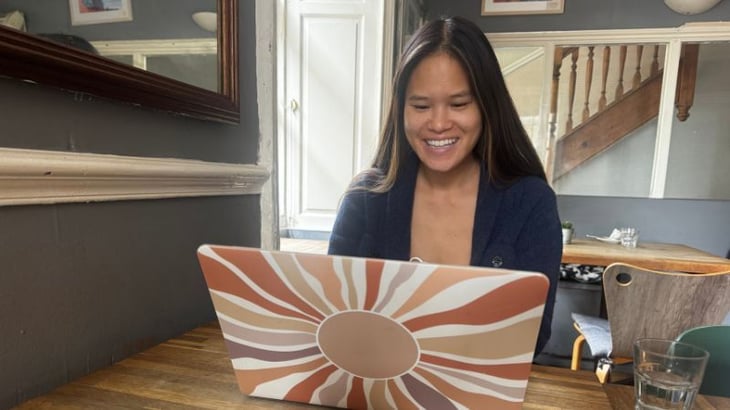
For online English teachers, the world isn’t just a backdrop… It's your classroom. The freedom to teach from anywhere is exhilarating, but before you pack your laptop and headset, there’s some essential research you need to do!
Choosing your next base as a TEFL digital nomad isn’t just about finding Instagram-worthy locations. It’s about securing legal permissions, having reliable internet, and maintaining an affordable living arrangement, all while creating a lifestyle that supports both work and exploration. Whether you’re planning to freelance or teach at an online school, understanding the nuances of visas, internet connectivity, and the cost of living is essential.
When teaching English online abroad, your first priority should be legal compliance. Many countries allow tourists to enter easily, but not all allow remote work.
Navigating Visas & Work Permits
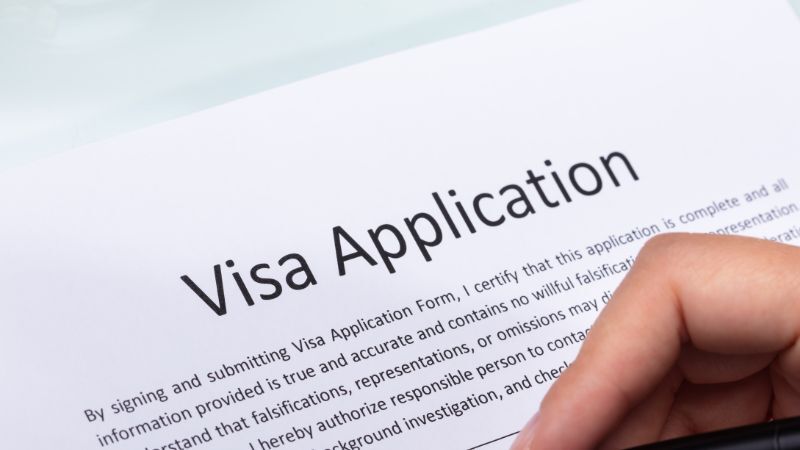
A tourist visa may allow you to stay in a country for 30, 60, 90, or even 180 days, but technically, it does not permit you to work, even online. For online English teachers, that means you could potentially be at risk if local authorities scrutinize your activities. The safest path is to verify whether your teaching or freelance income counts as work under local law.
More than 40 countries now offer digital nomad or remote work visas, with many specifically designed to accommodate online teachers. These visas allow you to earn money while living abroad legally, often for six months to a year, with the option to renew to extend your time in that location. Countries such as Portugal, Costa Rica, Mexico, and the Czech Republic have become popular destinations for online English teachers due to straightforward application processes.
Digital nomad or work permits typically require proof of stable income, health insurance, a valid passport, and, in some cases, a background check. Some countries may also ask for contracts with online schools. You should begin these applications early, as processing times vary, and you don’t want to arrive in the country without legal permission to teach there.
Disclaimer: You should always consult the embassy/consulate of the country before you visit.
Finding Reliable Wi-Fi & Internet
.jpg)
Even with a perfect visa, your day-to-day success as a TEFL digital nomad hinges on reliable internet. For teaching online classes, your laptop and headset are your lifeline. Before moving, research and check the average internet speeds in the city. I use speedtest.net to provide realistic connectivity insights for smooth video calls.
- Minimum: 25 Mbps (download), 10 Mbps (upload)
- Recommended: 100-200 Mbps+ (download), 50 Mbps+ (upload)
Some teachers recommend having a backup internet solution, such as mobile data, in case home Wi-Fi drops during lessons. For example, our month spent in Jaipur, India, began somewhat rocky due to frequent power outages that disrupted our online teaching schedule. As a result, we identified another Airbnb listing with a backup generator, so power outages would no longer affect the internet connection.
In addition to reliable internet in your housing space, co-working spaces provide a solid backup and a structured environment. They also offer networking opportunities with other digital nomads and remote professionals. For teachers, this can be especially helpful for sharing advice on time zones, lesson planning, or finding freelance tutoring opportunities. Cities such as Kuala Lumpur, Ho Chi Minh City, and Buenos Aires have thriving co-working scenes well-suited for online educators. There are co-working housing opportunities, such as Noma Collective and Casa Basilico Coliving, that allow digital nomads to share a common living space and promote cultural activities. This is an effective way to build a community of like-minded people while also providing an ideal working environment.
Check local SIM card options and data plans! In many countries, mobile data is fast and affordable, and can serve as a backup for teaching sessions. Some teachers carry portable Wi-Fi devices or multiple SIM cards to ensure uninterrupted lessons, which is particularly useful in areas where occasional outages are common.
Money Management on the Road (Finances + Cost of Living)
Understanding the cost of living for digital nomads, especially online English teachers, is essential for planning a sustainable lifestyle. Rent, groceries, food, and banking logistics all influence how long and comfortably you can live abroad.
Rent is typically your biggest monthly expense. Apartments in cities like Ho Chi Minh City or Cusco can cost $700–$1,200 USD, whereas apartments in Warsaw or Santiago may range a little more, from $1,400–$2,000 USD. When house hunting, be sure to look for furnished apartments with strong internet, good lighting, and quiet spaces that are suitable for video lessons. For example, because I travel as a digital nomad with my partner, who is also an online English teacher, we require housing with a separate bedroom (no studios) so we can teach classes simultaneously without interrupting each other’s sessions.
Airbnb offers discounted rates if you stay at a single accommodation for at least a week, and even more so for a month. Additionally, we highly recommend the platform Trusted Housesitters, which consists of pet owners offering their homes to sitters in exchange for taking care of their pets while the owners are out of town. We have found so many sites that align with our travel schedule, and it’s especially great for completely free housing for long-term stays. We’ve completed 18 sits across 13 different countries! As rent is likely the highest cost when living abroad, this has been our great savior.
Daily living expenses vary widely. Eating out in Latin America or Southeast Asia is more affordable, whereas groceries or café visits in European cities can be pricier. Factor in meals, coffee breaks during work, and occasional leisure activities when creating your budget. In some countries, it was significantly more affordable to buy groceries and cook at home for most meals, whereas in others, eating out was more affordable.
Many online English teachers rely on platforms such as PayPal, Wise, or Revolut to receive payments from schools or private students in different countries. Some countries make it easy for foreigners to open local bank accounts, while others require residence permits. Ensuring you have access to reliable banking is crucial to avoid disruptions in income.
Read more: Best Budgeting Tips for Digital Nomad TEFL Teachers

Before You Go Checklist:
- Begin by verifying the visa requirements and work permits for U.S. citizens or those from your home country, including digital nomad visas if applicable.
- Investigate Wi-Fi reliability, co-working spaces, and mobile data as backup options.
- Understand the real cost of living, including rent, groceries, and financial logistics.
By planning ahead and doing your homework, teaching English online while traveling can be more than a job, it can be a fulfilling lifestyle. Whether you’re aiming to be a freelance English teacher or building a career through online schools, the correct research beforehand ensures that your next base becomes a home, not just a stopover.

Want to Learn More About Teaching English Abroad & Online?
Request a free brochure or call 773-634-9900 to speak with an expert advisor about all aspects of TEFL certification and teaching English abroad or online, including the hiring process, salaries, visas, TEFL class options, job placement assistance and more.